
Luanda's Evacuation
Another Day of LifeThis flow follows the departing Portuguese as fear, material attachment, and the rush to escape reshape the city.
increasing Bearing strength in each event
 decreasing
Bearing strength in each eventdecreasingThe Refugee Tide
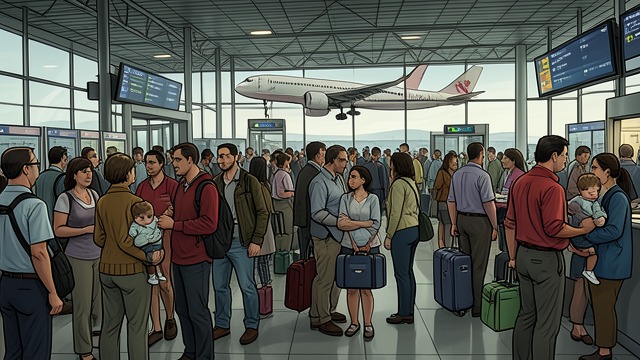
The Refugee Tide
Flight toward the capital
Portuguese families arrive in Luanda from across Angola, hoping to reach an overseas flight. The airport becomes a makeshift settlement where exhaustion, fear, and competition for seats replace any ordinary civic order.
No fair rule
Arguments over who deserves passage expose how difficult collective decisions become under pressure. Pregnant women, parents, the ill, and frightened men all plead their claims, while every departure leaves someone behind.
The Wooden City
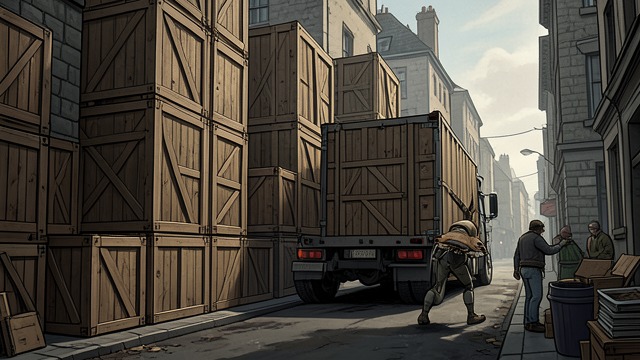
The Wooden City
Packing a former life
As residents prepare to leave, they build crates for furniture, keepsakes, clothing, and household goods. The scale of the packing turns Luanda's streets into a second, temporary city made of wood.
A divided escape
The size and workmanship of the crates reveal economic differences among those fleeing. When the cargo is shipped away, the departing residents take much of their material past with them, while the stone city is left increasingly empty.
A City Left Behind
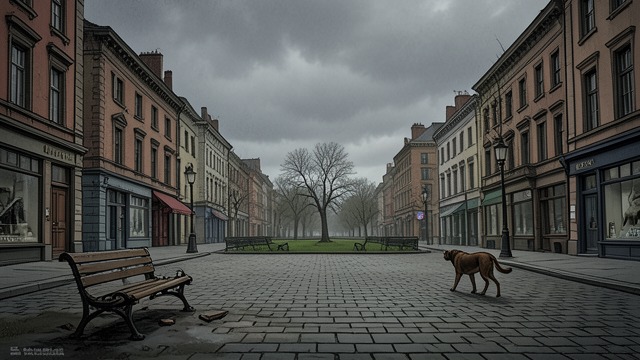
A City Left Behind
Services disappear
Police, firefighters, garbage collectors, shopkeepers, and hospital staff leave. Without ordinary workers, the abandoned center grows dirty, unsafe, and increasingly difficult to inhabit.
The population changes
The Dogs of Luanda roam after their owners flee, briefly surviving on army rations before disappearing too. The shrinking human and animal presence makes the city feel less like a home than a structure waiting to be emptied.
Late September 1975
Late September to November 1975
October 1975
